The restaurant industry is evolving with surprising rapidity. It is a complex industry, living at the intersection of social dynamics, macro-trend global - from sustainability to digitization - and consumer preferences that are changing with impressive rapidity. And there is no shortage of day-to-day challenges in business operations: Ensure high product quality, optimize margins, manage personnel, maintain high service standards.
Interpreting market signals and adapting one's offerings accordingly has become crucial. Building on what we observed in 2025, in this article we try to understand what will be key trends of 2026 and offer restaurateurs some concrete pointers to guide their offerings.
Food delivery continues to grow: an opportunity not to be missed
According to analysis by Grand View Research (via: ADUC), the Italian food delivery market Will grow by 4.8% each year between now and 2030. This dynamic is also confirmed by professionals: according to a recent SWG survey (via: Economy Magazine), restaurateurs' 37% recognizes the delivery a positive impact on turnover, while a quarter of the sample emphasizes the possibility of growth without significant initial investment.
It is hard to imagine this trend slowing down in 2026. For restaurateurs, the advice is to design an offering that also works at a distance, but not all dishes they travel well: some lose consistency, some become moist, and some arrive with a compromised texture.
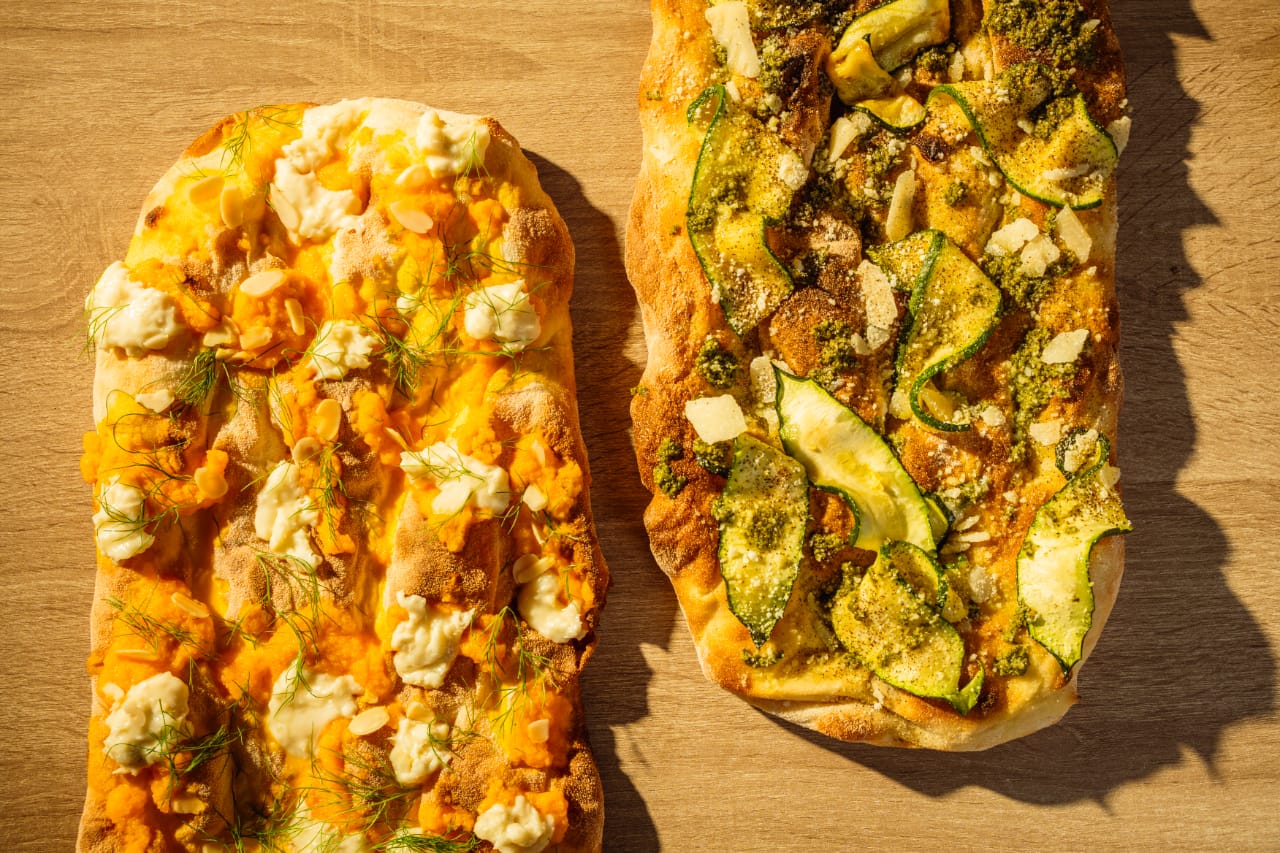
Professionals could then Evaluating Pinsa in menus designed for delivery: Its light, honeycombed texture, combined with its crispy outer surface, makes it particularly suitable for transportation. The Pinsa arrives at its destination still fragrant, does not yield liquid and does not become gummy.
Lightness and digestibility drive consumer choices
According to FIPE's Restaurant Report 2025 (via: InformaFood), 73% of Italians say that health directly affects their food choices. This is the highest percentage in Europe, reflecting A food culture that does not separate taste and well-being, but considers them part of the same experience.
For consumers, Feeling good after a meal is as important as the taste. People tend to prefer light, digestible dishes with simple ingredients and a clear perception of quality. It is no coincidence that many realities are Reviewing doughs, baking techniques, and combinations to meet a need that affects not only those with intolerances or special needs, but most people.
Why do we suggest Pinsa? Because its mix of flours, high hydration and long rising time make it naturally lighter and more digestible than other yeast products. It is not a diet product but it is balanced and in line with the expectations of those who seek taste and do not want to give up wellness.
Customization sells
Personalization greatly affects the choice of a venue because it allows people to Adapting dishes and proposals to one's own tastes and needs freely and consciously.
Let's take an example that has nothing to do with Pinsa: in 2025 (FoodAffairs), more than 370 thousand kilos of poké were ordered in Italy, with an average of 105 bowls every hour. But the most interesting figure is another: almost 90% of the orders were customized.
Pinsa lends itself naturally to this approach: it is a neutral, versatile and customizable base that can accommodate endless toppings, seasonal or permanent. Gourmet versions, lighter alternatives, or vegetarian and vegan options can be offered without burdening operational management.
Reducing waste as a top priority
According to the Waste Watcher International report (via: Echo from the Cities), half of Italians pay attention To the environmental impact of the food products it purchases. It is a cultural shift driven especially by younger people, who favor seasonal choices, food sharing, and behaviors zero waste. In this scenario, kitchens are being called upon to rethink processes and supplies To reduce waste and offer more environmentally friendly dishes.
Pinsa offers concrete advantages in this direction. On the one hand, in fact, professionals can buy frozen bases with a shelf life very long, which enable precise stock management and significantly reduce the risk of inventories. On the other hand, Pinsa lends itself perfectly to express preparation: it is completed and stuffed at the last and can be easily portioned in many ways, adapting to each customer's needs and appetite. It is difficult for the dish to be left half-finished or for kitchen scraps to be generated.
On the sustainability front, Pinsa has an additional strength: Is a simple and natural product made up of just a few ingredients - flour, water, yeast and a drizzle of oil-and involves no complex transformations. This essentiality translates into A cleaner, more transparent proposal in the eyes of the consumer and more consistent with the growing interest in products simple but done well.
Aiming for quality ingredients
According to data from the CNA Study Center in collaboration with CNA Agribusiness (via: Beverfood), the category of gourmet pizzas - once considered niche - has now captured over 12% of consumer preferences. The signal is clear: customers are willing to pay more when perceive value, care and superior ingredients.
This trend will certainly continue in 2026, prompting restaurateurs to Valuing quality raw materials, certified origins, craftsmanship and careful matching.
In this context, Pinsa offers An excellent foundation on which to build premium proposals. Its light, honeycombed texture enhances high-quality toppings without covering them up, allowing you to create gourmet combinations that stand out to both the palate and the eye.



 IT_IT
IT_IT  EN
EN  FR
FR  DE
DE  ES
ES